Care Focused on Comfort and Function
Personalized Options for Managing Pain
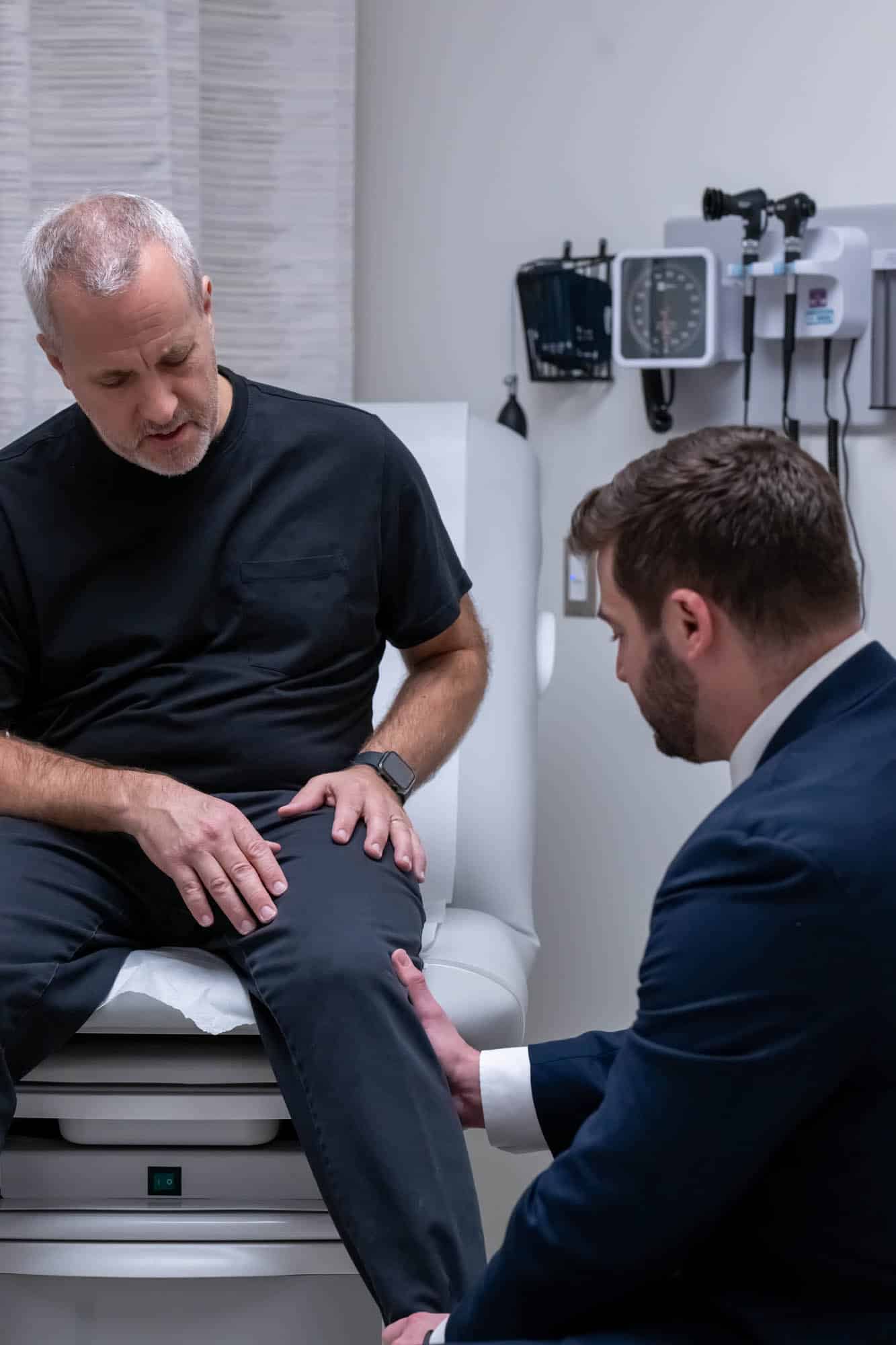
The Sturdy Health Pain Clinic at Sturdy Memorial Hospital offers a variety of options to minimize, manage, and control pain to improve your quality of life. Our team provides care for the following common conditions:
- Lower-back pain
- Neck pain
- Dolor de cabeza
- Postherpetic neuralgia (shingles)
- Reflex sympathetic dystrophy (RSD)
Services
Chronic and Acute Pain: What You Should Know
What Is the Difference Between Acute and Chronic Pain?
Pain can be short-term or ongoing, depending on its cause and how long it lasts.
Acute pain usually begins suddenly and is related to an injury, illness, surgery, or another specific cause. It typically improves as the underlying problem heals and often lasts for a few days or weeks, although it can sometimes continue for several months.
Chronic pain lasts longer — generally three months or more — and may continue even after an injury or illness has healed. It can be related to an ongoing health condition, changes in the body over time, or other causes.
Living with ongoing pain can affect more than just your physical health. Chronic pain may also:
- Make it harder to sleep
- Cause fatigue or low energy
- Limit everyday activities
- Affect your ability to work or participate in things you enjoy
- Contribute to feelings of stress, anxiety, or depression
What Is Pain Management?
Pain management is a specialized approach to understanding and treating pain. At the Sturdy Health Pain Clinic at Sturdy Memorial Hospital, our team works with patients to identify the possible causes of their pain and develop an individualized treatment plan.
Treatment may include a combination of approaches, depending on your condition and needs, such as:
- Medication management
- Physical therapy and rehabilitation
- Lifestyle and self-management strategies
- Interventional treatments and procedures
- Other nonsurgical approaches to help reduce pain and improve function
Our goal is to help you manage pain, improve your ability to participate in daily activities, and support your overall quality of life.
Making Informed Decisions About Medication
Opioids and Pain Management
What Are Opioids?
Opioids are prescription medications that can be used to treat certain types of moderate to severe pain. Common prescription opioids include hydrocodone, oxycodone, morphine, and codeine.
Opioids can be helpful for some patients when used as directed. However, they also carry risks, including tolerance, physical dependence, misuse, addiction, and overdose. Because of these risks, opioid medications should be used carefully and under the guidance of a health care professional.
What Are the Risks of Opioids?
The risk of problems with opioids can increase with longer-term or higher-dose use. Over time, your body may become tolerant to a medication, meaning you may need more of it to achieve the same effect. Physical dependence can also develop, which means stopping the medication suddenly may cause withdrawal symptoms.
Opioids can also cause side effects such as:
- Drowsiness or dizziness
- Estreñimiento
- Nausea or vomiting
- Confusion
- Slowed breathing
Taking opioids with alcohol, certain medications, or other substances can increase the risk of serious side effects, including overdose.
Managing Medication With Care
What Is Medication Management?
Medication management is an important part of a comprehensive approach to treating pain. Your care team at the Sturdy Health Pain Clinic at Sturdy Memorial Hospital will consider your medical history, type of pain, current medications, treatment goals, and other factors when determining whether medication is appropriate.
When opioids are prescribed, your care team will work with you to use them as safely as possible. This may include:
- Using the lowest effective dose for the shortest appropriate time
- Monitoring how well the medication is controlling your pain
- Watching for side effects or signs of dependence or misuse
- Reviewing your medications regularly
- Considering non-opioid medications and other treatments as part of your overall pain management plan
The goal of pain management is not simply to reduce pain, but to help you function better and improve your quality of life while minimizing the risks associated with treatment.
Using Opioids Safely
Learn how to use opioid medications safely, including important information about risks, side effects, storage, and disposal.
Watch: Using Opioids Safely