Expert Help Around the Clock
Emergency Care for Serious Illness and Injury

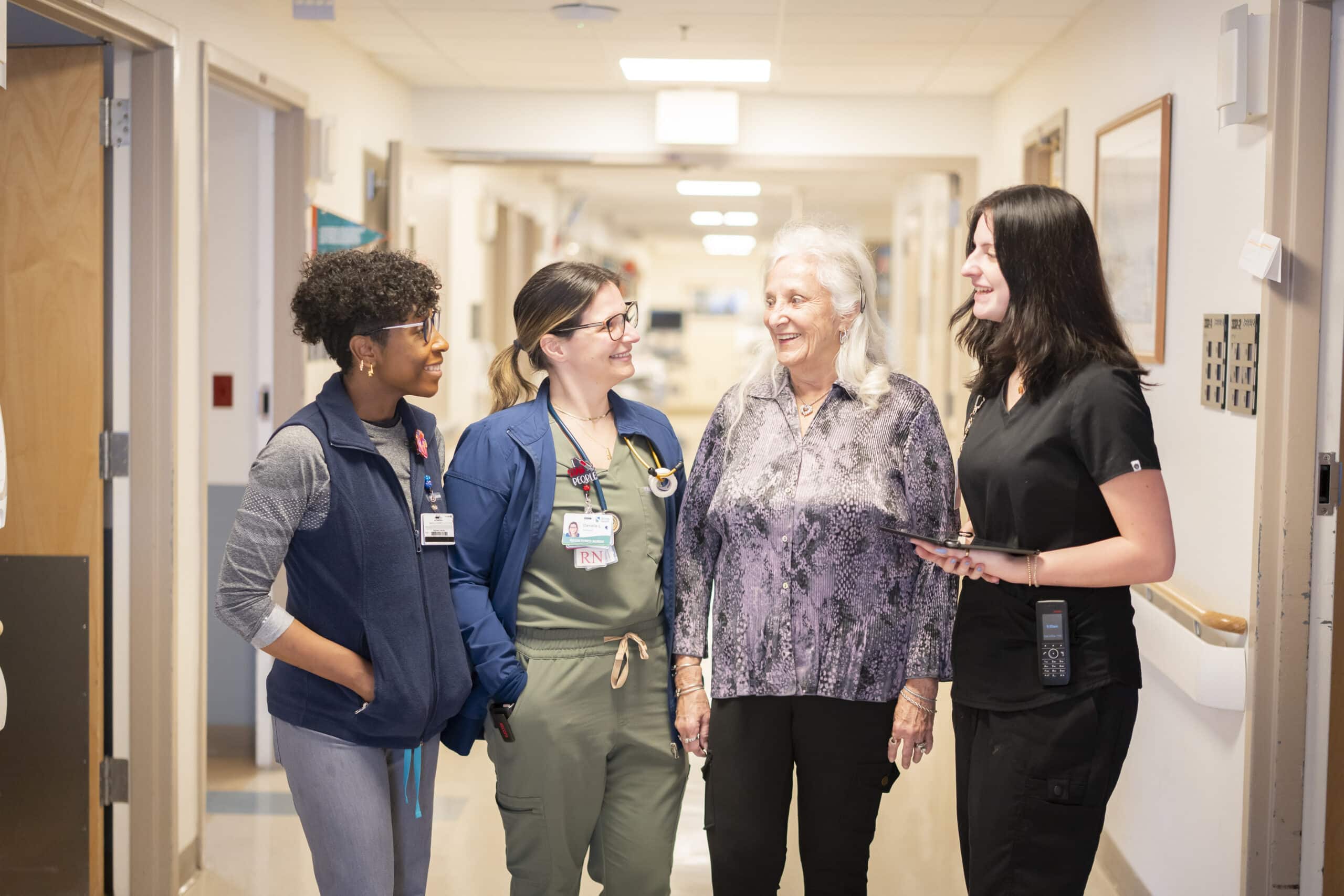
Our Emergency Department is equipped to handle serious illnesses and injuries, providing expert emergency care 24 hours a day. Our team of emergency physicians, physician assistants, nurse practitioners, and registered nurses has extensive training and experience in treating medical emergencies. Each year, we care for more than 50,000 patients from across our region.
Soins d'urgence
If you are experiencing a medical emergency, call 911 or go to the nearest Emergency Department. Emergency care is the right choice for serious or life-threatening conditions, including:
- Chest pain, especially when accompanied by sweating, shortness of breath, or pain that spreads to the jaw or arm
- Difficultés respiratoires
- Allergic reactions that affect breathing
- Heavy bleeding
- Vaginal bleeding during pregnancy
- Burns involving large areas of the body
- Sudden or severe headaches
- Head trauma while taking blood thinners
- Head or eye injuries
- Deep wounds
- Dislocated joints
- Major injuries to the arms or legs, especially those involving deformity
- Severe palpitations
- Severe abdominal or back pain
- Sudden testicular or pelvic pain
- Persistent vomiting
- Fainting or loss of consciousness
- Seizures without a prior history of epilepsy
- Sudden confusion, difficulty speaking or understanding speech, weakness in an arm or leg, or sudden loss of vision in one or both eyes
- Suicidal thoughts
- Fever of 100.4°F or higher in a baby 3 months old or younger
Do Not Delay Emergency Care
Our hospital and Emergency Department team are prepared to care for a wide range of emergency medical needs, including accidents, falls, strokes, and heart attacks. Our experienced nurses and physicians provide expert, compassionate care when you need it most.
Your Visit
Whether you or a loved one needs to visit our Emergency Department, it can be helpful to understand what to expect when you arrive. We know your health concern is important to you, and our team works to see every patient as quickly as possible. However, we must treat patients with the most serious or life-threatening conditions first, and care for others based on the severity of their illness or injury.
Triage
Upon arrival, your treatment begins with a specially trained registered nurse who will begin the evaluation of your medical condition by:
- Asking you to describe the reason for your visit and your current symptoms
- Asking you about your past medical history
- Taking your vital signs (pulse, blood pressure, respiratory rate, temperature, oxygen level)
- Measuring your height and weight, which is needed to facilitate care
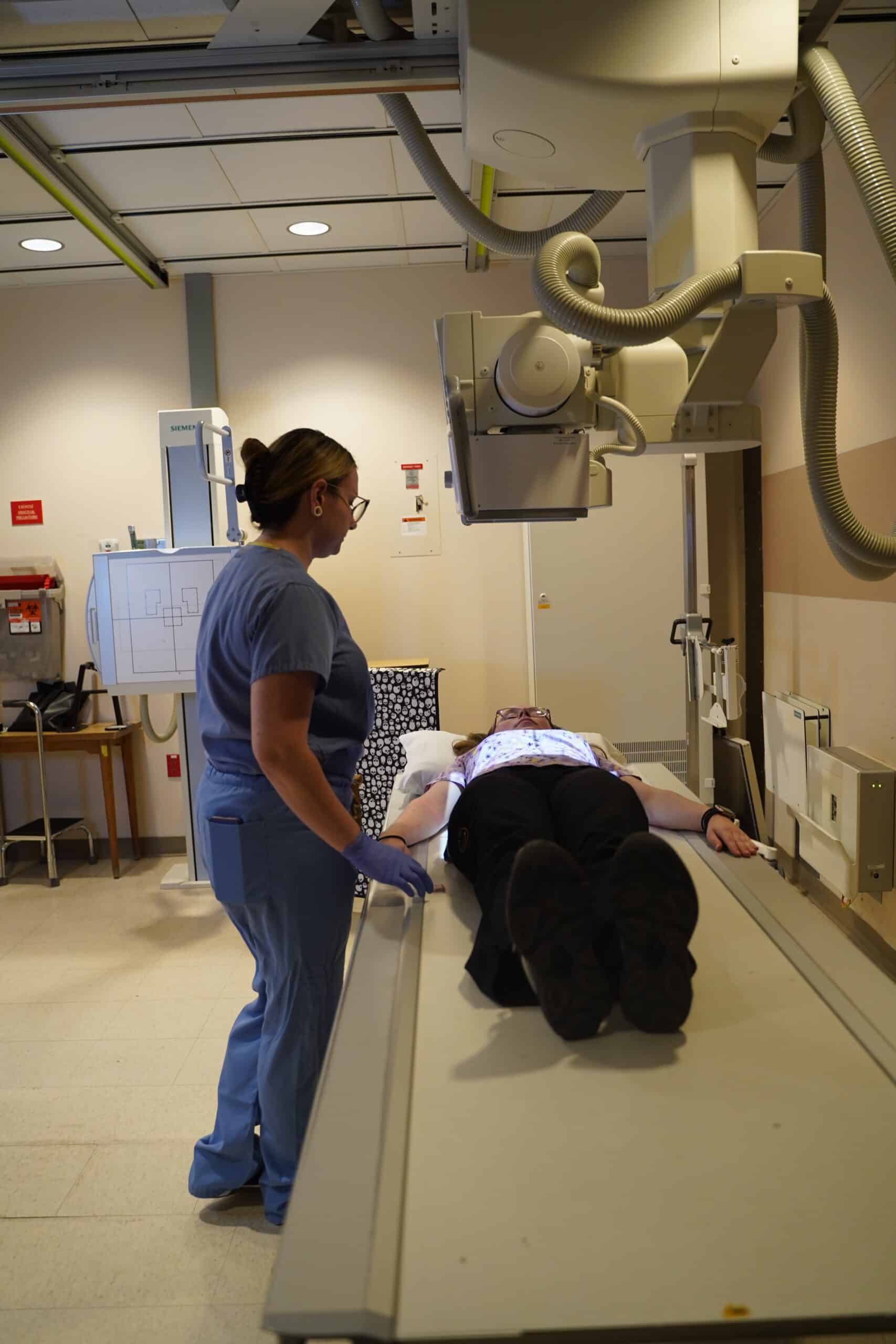
- Beginning treatments and diagnostic testing (i.e. urine test, x-rays), if needed
If a room is immediately available, you will be brought back to the room right away to continue your evaluation and treatment. In other cases, you may be asked to have a seat in our waiting area until a room becomes available. We will make every effort to minimize your time in the waiting area.
Every patient is important to us. However, some patients have serious medical conditions that require immediate attention. These patients may need to be seen before others with less immediate needs. We appreciate your patience and understanding during these times.
Evaluation, Testing, and Treatment
In the Exam Room
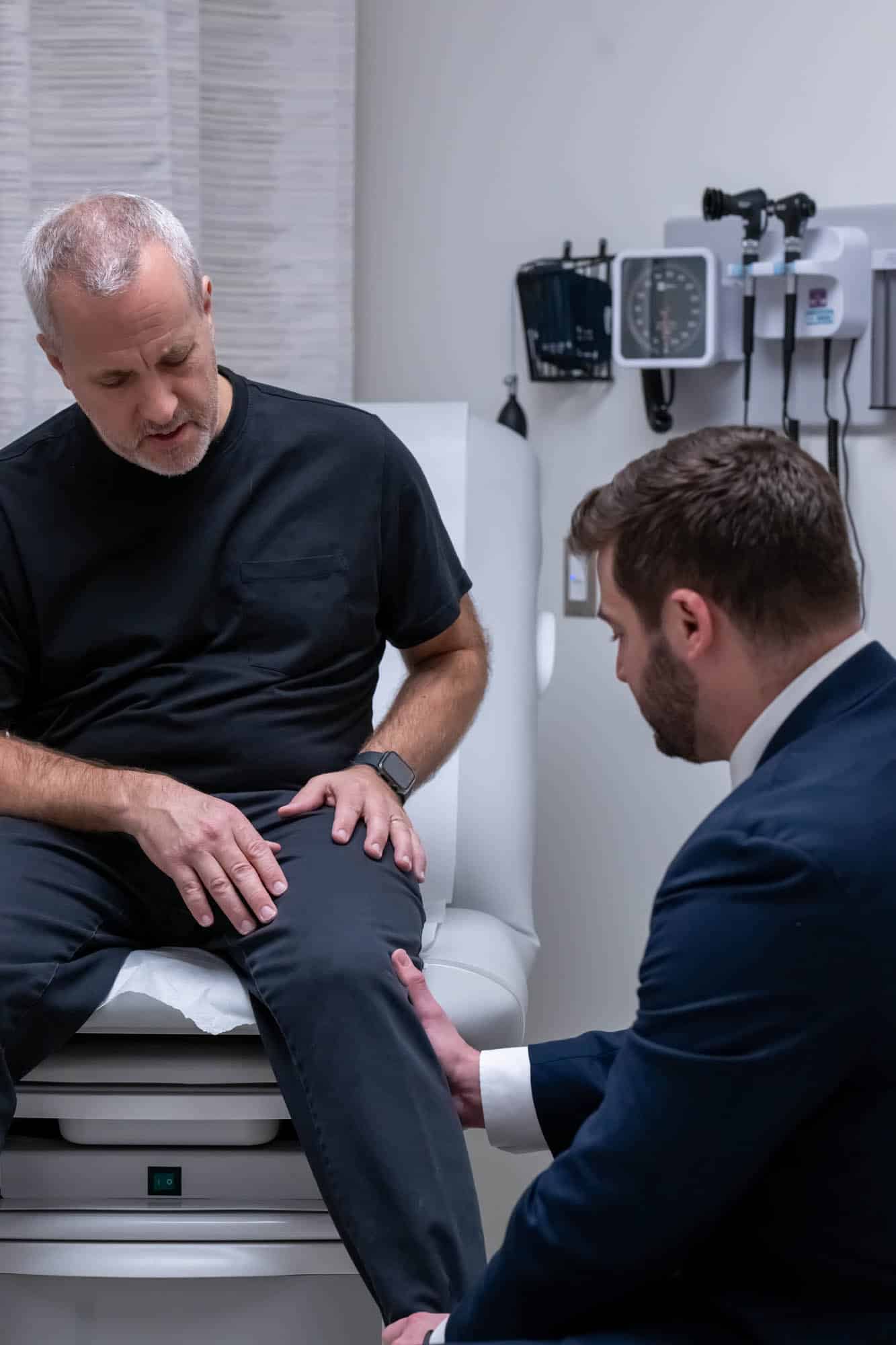
Once you are taken to an examination room, the primary nurse and medical practitioner who will care for you will see you. A patient care assistant (PCA) will also be available to assist with your care. To continue your evaluation and treatment, the medical team will obtain more detailed information about the reason for your visit.
You will be asked to undress and put on a medical examination gown so that your practitioner can conduct a proper physical exam. We will maintain your privacy at all times during this process. Tests, including blood tests and imaging studies (i.e. x-ray, CT scan, and ultrasound), may be ordered to help diagnose your condition. Medications may be provided to treat and help resolve your symptoms.
After your evaluation, your practitioner will determine whether you can safely be discharged home or need to be admitted to the hospital for further management. If you’re discharged home, you will be provided with home care instructions that explain your diagnosis, how to manage your medical condition at home, information on any prescriptions you may have received, and information on your follow-up care with either a specialist or your primary care doctor.
Wait Times
Wait times can vary depending on the situation and can be due to:
- Unexpected high number of patients arriving by ambulance
- High volumes of patients requiring emergency care
- Wait times for test results of diagnostic imaging
We will make every effort to minimize wait times, do our very best to keep you informed of delays, and provide you with an expected wait time whenever possible.
Patients & Families
We understand that being in the Emergency Department can be stressful, and having loved ones with you for support can make a big difference. Visitors are welcome; however, we may ask them to wait in the waiting area to protect patient privacy, ensure safety, or provide the care you need. Due to space limitations, we generally ask that no more than one or two visitors remain with you at a time. We will make every effort to reunite you with your loved ones as soon as possible and allow them to be with you for as long as possible.